



- The engineering services provider Xtronic GmbH most recently generated around €15 million in revenue with approximately 130 employees.
- Business performance has declined, in part due to a market-driven drop in external orders.
- The transaction represents a further step in Schaeffler’s announced strategic portfolio realignment.
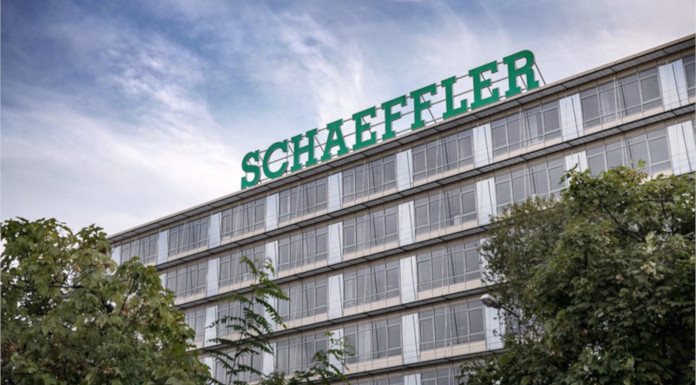
Schaeffler AG is selling 100 percent of its shares in Xtronic GmbH, based in Böblingen, to Accursia Capital GmbH, headquartered in Munich. With this move, Schaeffler is responding to the decline in Xtronic’s development business, which has been affected by a market-related reduction in external customer orders, and is continuing the strategic portfolio restructuring announced at its Capital Markets Day in September 2025 following the merger with Vitesco Technologies. The parties have agreed not to disclose the purchase price. Closing of the transaction is expected in the first half of 2026.
“We carefully examined several options for the future of Xtronic GmbH and are convinced that selling it to Accursia Capital GmbH is the best possible solution for all parties involved, enabling the company and its employees to gain new perspectives and to operate more agilely and with greater focus outside the Schaeffler Group,” said Clément Feltz, Head of the Chassis Systems business unit.
The continued execution of existing projects will be ensured as part of the transaction, and a smooth handover of the business will be guaranteed.
Xtronic GmbH is a development partner for electronic and software solutions for international manufacturers and suppliers. The company was acquired by the Schaeffler Group in 2019 and has since been operated as an independent limited company within the group. Accursia Capital GmbH is a privately owned industrial holding company founded in Munich in 2017. It focuses on investments in mid-sized industrial companies in Europe, including the automotive sector.
Xtronic GmbH currently employs around 130 people and is expected to generate approximately €15 million in revenue in the 2025 financial year, with just over 50 percent coming from external customers.