



In 2025, China’s bearing industry, a backbone of the country’s machinery sector, entered a new phase of technological modernization. This shift from mass production to high-tech manufacturing is being propelled by targeted government financial policies, designed to meet the rising demands of advanced sectors like wind energy, electric vehicles, and precision machinery, where quality and reliability are critical.
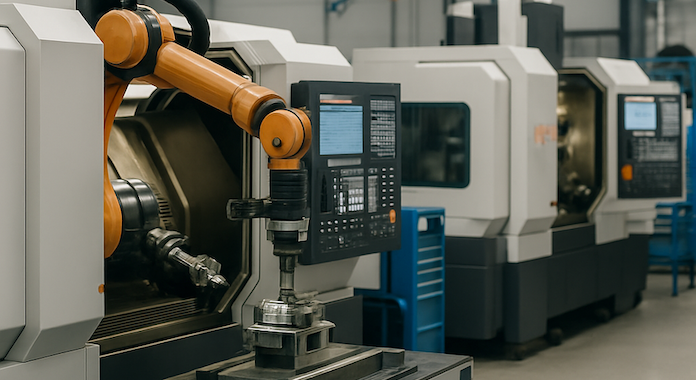
A leading example of this transformation is Luoyang Bearing Group. In the first half of the year, the company secured major funding from state banks: an 800 million yuan long-term loan to build intelligent production lines and a 127 million yuan targeted loan to acquire advanced equipment. These investments aim to improve product stability and support the production of next-generation bearings, lighter, more precise, and longer-lasting.
Government support, however, goes beyond enterprise loans. In May, China launched a new “Technology Bond Platform” on the financial markets, enabling innovative companies, including industrial component manufacturers, to raise approximately 600 billion yuan. This platform offers long-term, lower-cost capital essential for accelerating R&D and technological upgrades.
These measures reflect a coordinated national strategy. At a recent press conference, the People’s Bank of China reaffirmed its commitment to a “moderately flexible” monetary policy, with a sharp focus on channeling capital into strategic sectors – a principle known domestically as jingzhun (精准), or “precision-targeted” financing.
Far from being one-off initiatives, these efforts represent a systemic approach to industrial renewal. Analysts believe this policy is not only helping factories overcome technological hurdles but is also driving qualitative growth across China’s manufacturing base – strengthening its global competitiveness in the process.